
Hair loss in the crown area can affect confidence and overall appearance, prompting many individuals to consider hair restoration options. One of the most effective solutions is a Crown Hair Transplant in Dubai, a procedure designed to restore hair density in the top-back region of the scalp. However, not everyone is an ideal candidate for this procedure. Understanding who qualifies for a crown hair transplant is essential to achieve natural and long-lasting results.
Understanding Crown Hair Loss
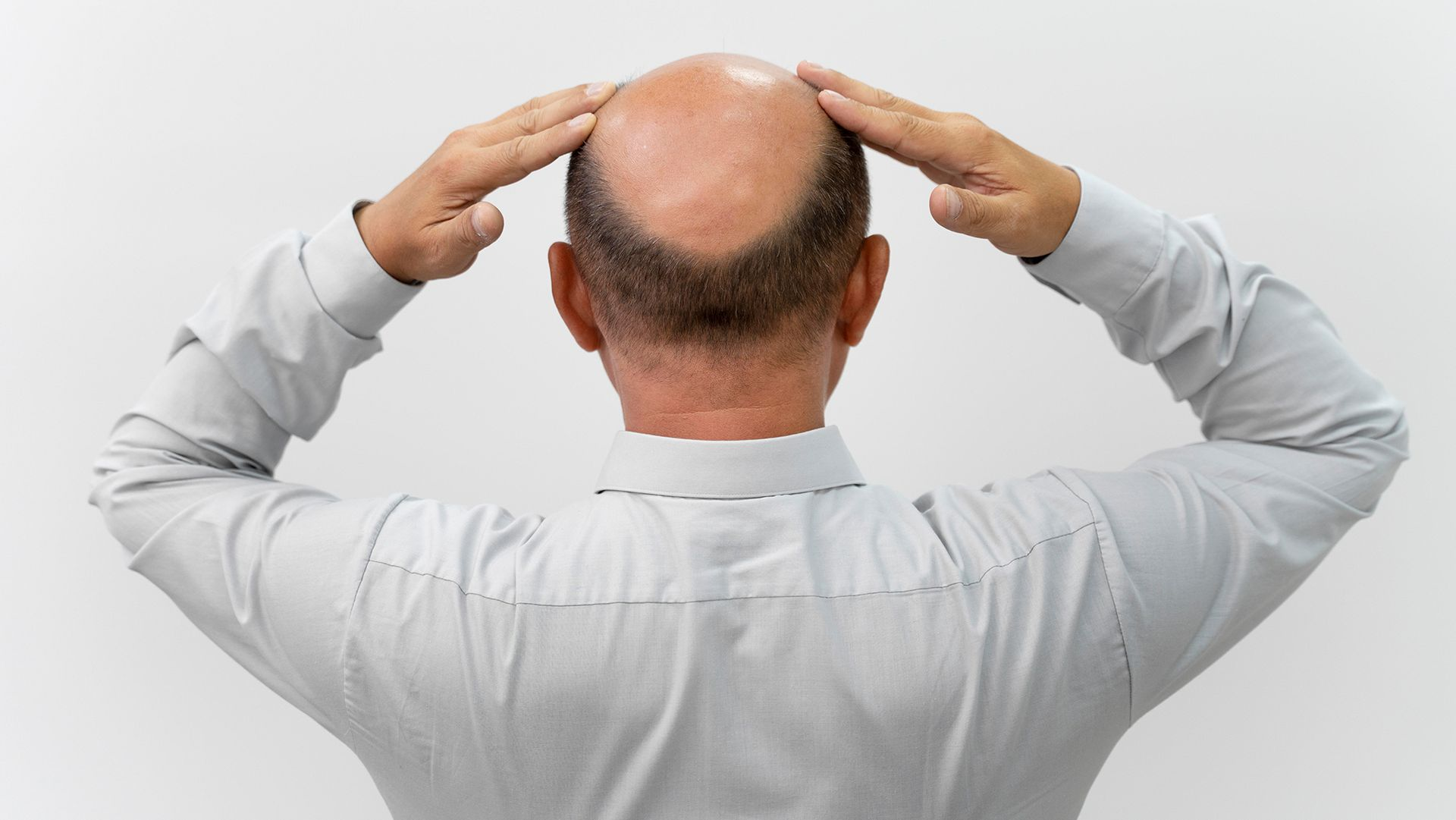
The crown, or vertex, is the circular area at the top-back of the scalp. Hair loss in this region is often caused by male or female pattern baldness, aging, hormonal changes, or medical conditions. The unique swirl pattern of crown hair makes transplantation more complex than in other areas. Successful restoration requires healthy donor hair, proper technique, and realistic expectations about density and coverage.
Key Criteria for Candidacy
Several factors determine whether an individual is a good candidate for a crown hair transplant:
Age and Hair Loss Stage
Age Considerations: Most candidates are adults, typically between 25 and 60 years old. Younger individuals may need to wait until hair loss stabilizes to avoid multiple procedures over time.
Hair Loss Progression: Patients with moderate to advanced thinning or baldness in the crown are ideal candidates, as there is sufficient contrast between donor and recipient areas for effective transplantation.
Donor Hair Quality
A successful crown hair transplant depends on the availability of healthy donor hair, usually from the sides or back of the scalp. Ideal candidates have:
Dense and strong donor hair follicles
Sufficient scalp elasticity for FUT, if needed
Hair characteristics (thickness, curl, and color) that blend naturally with the crown
Overall Health
Candidates should be in good general health, as certain conditions can affect healing and hair growth:
No active scalp infections or chronic dermatological issues
Controlled medical conditions, such as diabetes or hypertension
Non-smokers or those willing to reduce smoking during recovery, as nicotine can impair healing
Realistic Expectations
A crucial part of candidacy is understanding the results a crown hair transplant can achieve. Ideal candidates should have:
Clear expectations about hair density and coverage
Awareness that full results may take 9–12 months to appear
Acceptance of possible additional sessions for extensive bald areas
Factors That May Affect Candidacy
While many people are suitable for a crown hair transplant, some factors may limit success:
Insufficient Donor Hair: Without enough healthy follicles, achieving desired density may be difficult.
Diffuse Thinning: Individuals with thinning across the entire scalp may need a broader treatment plan.
Certain Medical Conditions: Autoimmune disorders, active infections, or uncontrolled chronic illnesses can affect hair growth and healing.
A thorough consultation with a hair restoration specialist ensures that these factors are considered and a personalized plan is developed.
Psychological Readiness
Beyond physical suitability, candidates should also be mentally prepared for the procedure and its gradual results. Patience is essential, as new hair growth occurs over several months. Understanding that initial shedding (shock loss) is normal helps manage expectations and maintain confidence throughout the recovery period.
Benefits for Good Candidates
Patients who meet these candidacy criteria can experience significant benefits from a crown hair transplant:
Natural Hair Growth: Transplanted follicles grow like existing hair, creating a seamless look.
Improved Hair Density: Thinning or bald spots are effectively covered.
Long-Lasting Results: With proper care, transplanted hair remains permanent.
Enhanced Confidence: Restoring the crown area often leads to improved self-esteem and overall appearance.
Choosing the Right Provider
Selecting a skilled and experienced specialist is crucial for good outcomes. In Dubai, many patients seek the Best Crown Hair Transplant Dubai to ensure:
Personalized treatment planning based on hair type and crown characteristics
Advanced techniques, such as FUE or FUT, for precise follicle placement
Comprehensive post-operative care guidance to optimize results
Conclusion
A good candidate for a crown hair transplant is typically an adult with moderate to advanced thinning in the crown area, healthy donor hair, and realistic expectations about the results. Overall health, psychological readiness, and a commitment to post-procedure care also play a key role in achieving natural, long-lasting outcomes. For residents in Dubai experiencing hair loss at the crown, consulting with a reputable specialist can determine suitability and help plan a treatment that restores hair density, enhances confidence, and delivers permanent results.