
Breast cancer screening involves a combination of medical techniques designed to detect abnormalities in breast tissue at an early stage. These methods are carefully selected based on age, risk level, and individual health needs to ensure accurate and timely diagnosis. With growing awareness and advancements in healthcare systems, many women are now actively exploring options like Breast Cancer Screening in Dubai, where modern imaging technologies and personalized care approaches are widely adopted. Each screening method serves a specific purpose, and when used together, they provide a comprehensive evaluation of breast health. The goal is not only to detect cancer early but also to monitor any changes over time for better preventive care.
Mammography: The Primary Screening Tool
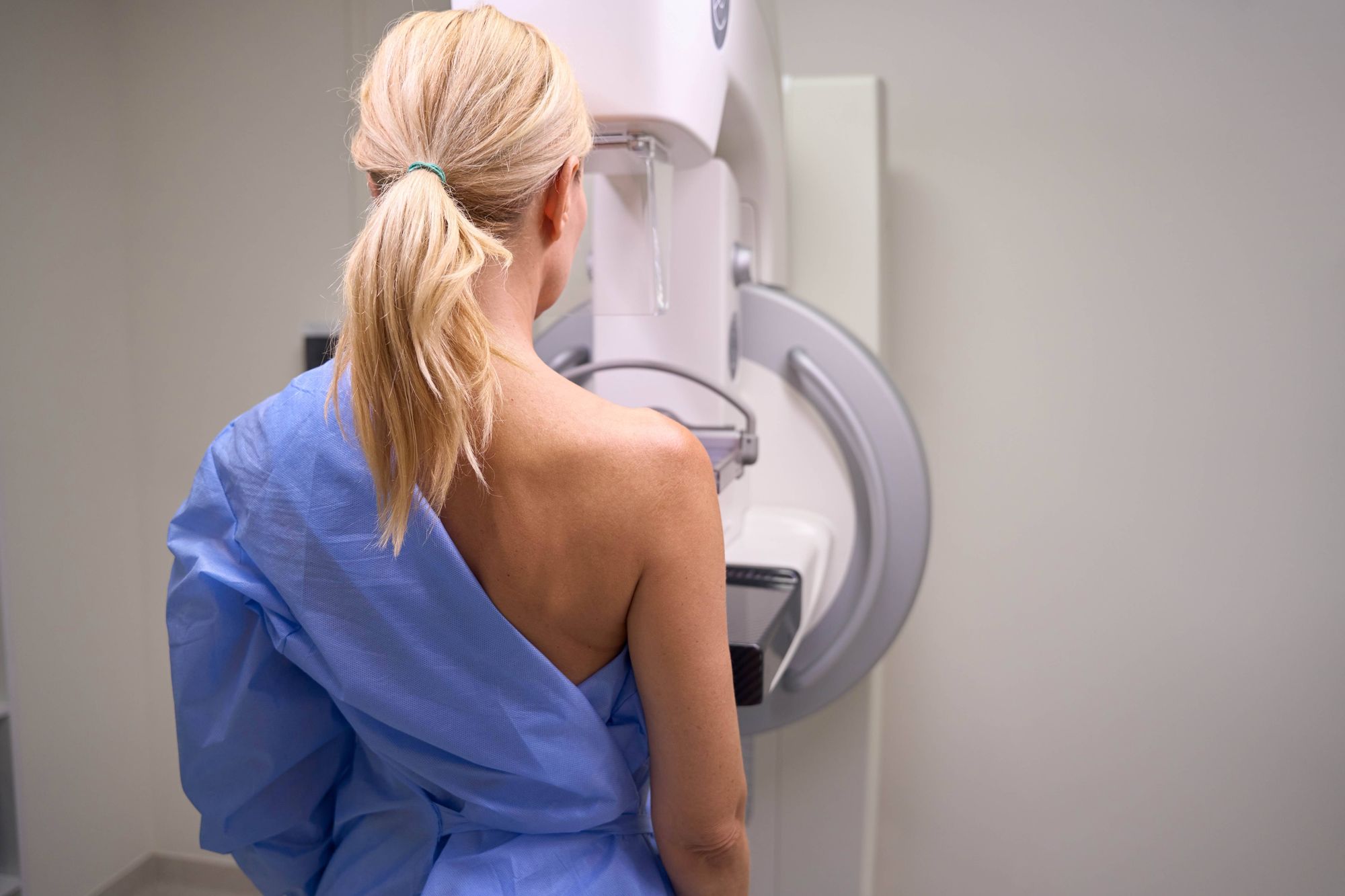
Mammography is the most commonly used and widely recommended method for breast cancer screening. It uses low-dose X-rays to create detailed images of the breast, allowing healthcare professionals to identify small lumps or calcifications that may not be felt during a physical exam. Mammograms are especially effective in detecting early-stage cancers, making them a cornerstone of routine screening programs. The procedure is quick and typically involves mild compression of the breast to obtain clear images.
Breast Ultrasound: A Supportive Technique
Breast ultrasound is often used alongside mammography to provide additional information. It uses sound waves to produce images of the breast tissue and is particularly helpful for examining dense breasts, where mammograms may be less effective. Ultrasound can distinguish between solid masses and fluid-filled cysts, helping doctors determine whether further investigation is needed. It is a painless and radiation-free procedure, making it a safe complementary tool.
MRI (Magnetic Resonance Imaging): Advanced Imaging
MRI is a more advanced screening method that uses powerful magnets and radio waves to create highly detailed images of the breast. It is typically recommended for individuals at high risk of breast cancer, such as those with a strong family history or genetic predisposition. MRI is highly sensitive and can detect abnormalities that may not be visible on mammograms or ultrasounds. However, it is usually not used as a first-line screening tool for average-risk individuals.
Clinical Breast Examination
A clinical breast exam is a physical examination performed by a trained healthcare professional. During this exam, the doctor checks for lumps, changes in size or shape, and any other unusual signs. While it may not detect very small abnormalities, it is still an important part of a comprehensive screening approach. It also provides an opportunity for individuals to discuss any concerns or symptoms with their healthcare provider.
Breast Self-Awareness and Self-Examination
Although not a formal screening method, being aware of changes in one’s own body is an important aspect of early detection. Women are encouraged to become familiar with the normal look and feel of their breasts and report any unusual changes promptly. Self-awareness helps in identifying potential issues between scheduled screenings and ensures timely medical attention.
Combining Methods for Better Accuracy
In many cases, healthcare providers use a combination of screening methods to improve diagnostic accuracy. For example, if a mammogram reveals an unclear area, an ultrasound or MRI may be recommended for further evaluation. This multi-step approach reduces the chances of missed diagnoses and provides a clearer understanding of breast health.
Advancements in Screening Technology
Medical technology continues to evolve, bringing new and improved screening methods. Digital mammography, 3D mammography (tomosynthesis), and enhanced imaging techniques are making screenings more precise and comfortable. These advancements are helping detect cancers earlier and reducing the likelihood of false results.
The Importance of Choosing the Right Method
The choice of screening method depends on several factors, including age, breast density, and personal risk level. Healthcare professionals assess these factors to recommend the most suitable approach for each individual. A personalized screening plan ensures that the most effective methods are used, maximizing the benefits of early detection.
Conclusion
Breast cancer screening relies on a variety of methods, each playing a vital role in early detection and prevention. From mammography and ultrasound to MRI and clinical exams, these techniques work together to provide a comprehensive assessment of breast health. By understanding these methods and following recommended screening guidelines, individuals can take proactive steps toward protecting their health and improving long-term outcomes.