
Skin infections can be caused by bacteria, fungi, viruses, or other microorganisms, and each type may require a different treatment approach. Symptoms can include redness, itching, scaling, swelling, pain, blisters, discharge, or sores. Because different infections can look similar, choosing treatment based only on appearance may not be reliable. Skin Diseases Treatment in Dubai can help identify the underlying infection and determine an appropriate medical approach.
Understanding Different Skin Infections
Bacterial infections may cause redness, warmth, swelling, tenderness, or pus. Fungal infections often produce itching, scaling, and patches that may gradually spread. Viral infections can cause blisters, sores, or other characteristic changes. The treatment depends on which organism is responsible. An antifungal medicine will not treat a bacterial infection, while antibacterial treatment is not appropriate for every rash.
Why Diagnosis Matters
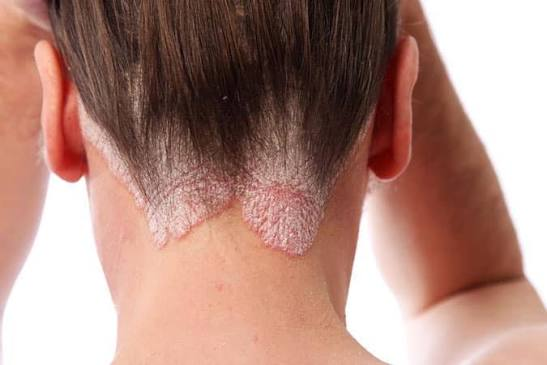
Correct diagnosis is one of the most important steps in managing an infection. A dermatologist may assess the appearance, location, symptoms, and progression of the condition and may recommend testing when necessary.
This helps reduce the risk of using an unsuitable medication and can prevent an infection from continuing untreated.
Common Treatment Approaches
Treatment may include topical or oral antimicrobial medicines, depending on the type and severity of infection. Some minor infections may respond to topical therapy, while more extensive or persistent infections may require oral medication.
Patients should follow the recommended duration of treatment even when symptoms begin to improve, unless their healthcare professional advises otherwise.
Skin Infections in Dubai
Warm weather and sweating can create conditions that encourage certain fungal infections, particularly in areas where moisture remains trapped. Shared facilities, gyms, swimming pools, and close physical contact may also increase exposure to some infections. Dynamic Life Clinic in Dubai provides dermatological evaluation for people experiencing symptoms that may be related to skin infections. Professional assessment can help distinguish infectious conditions from allergies, dermatitis, and other disorders.
Can Hygiene Prevent Skin Infections?
Good hygiene can reduce the risk of some infections, although not every infection results from poor hygiene. Regular bathing, keeping skin dry, changing sweaty clothing, and avoiding the sharing of personal towels or razors can be helpful.
People who frequently exercise should shower after heavy sweating and keep commonly used personal items clean.
Avoiding Self-Treatment Mistakes
Using random creams can sometimes make symptoms worse. For example, certain combination creams may temporarily reduce redness while allowing an underlying infection to continue.
People should also avoid scratching infected areas because this can damage the skin and potentially spread microorganisms to nearby areas.
When Infection Needs Medical Attention
Professional assessment is important when redness is rapidly spreading, pain is increasing, pus develops, fever occurs, or symptoms do not improve with basic care.
Children, older adults, and people with certain underlying health concerns may need particularly careful evaluation.
Reducing Recurrence
Preventing recurrence depends on the type of infection. Keeping affected areas dry, washing clothing and towels appropriately, wearing breathable fabrics, and completing treatment can help.
For contagious infections, following professional advice about personal contact and shared items can reduce transmission.
Choosing Effective Treatment
People looking for the Best Skin Diseases Treatment Dubai should choose care based on an accurate diagnosis. The best treatment is not necessarily the strongest medication; it is the option that appropriately targets the identified cause while considering the patient's individual needs.
Conclusion:
After an infection clears, maintaining gentle skincare and good hygiene can help protect the skin barrier. Any recurring or unexplained infection should be evaluated rather than repeatedly treated without knowing its cause. With timely diagnosis and suitable treatment, many common skin infections can be successfully managed and prevented from becoming persistent problems.