
Skin type and skin quality can influence how the body responds to contouring treatments. People considering waist sculpting often wonder whether their particular skin characteristics may affect suitability. In general, the answer depends on the treatment technique, skin elasticity, overall health, and individual goals. Waist Sculpting Treatment in Dubai may be suitable for many people, but an assessment is important before choosing a specific approach.
Skin Type Versus Skin Quality
When discussing suitability, it is useful to distinguish between skin type and skin quality. Skin type may refer to characteristics such as oiliness, dryness, or sensitivity, while skin quality includes factors such as elasticity, firmness, and laxity. For waist sculpting, skin elasticity is often more relevant than traditional facial skin-type categories. The way the skin responds after contouring can influence the final appearance.
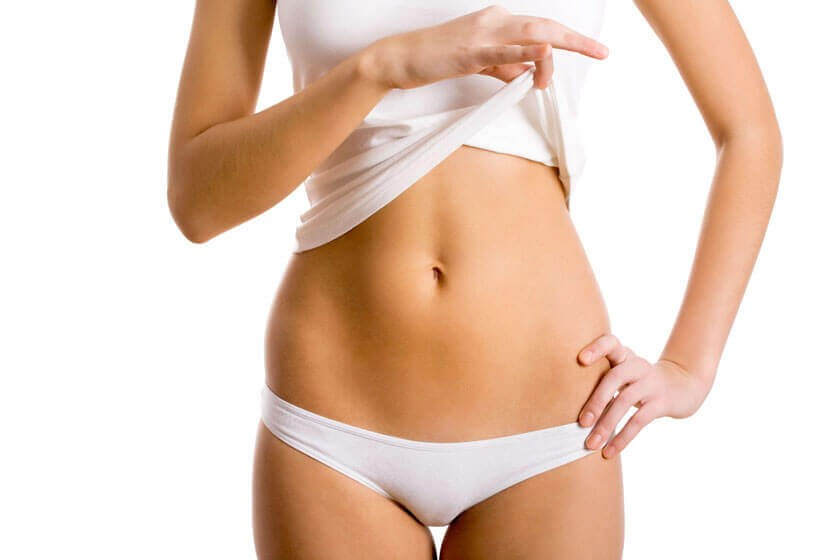
Why Skin Elasticity Matters
Good skin elasticity may allow the skin to adjust more smoothly after changes in the underlying contour. If the skin has reduced elasticity, it may not tighten as easily following localized fat reduction.
Age, genetics, pregnancy, significant weight changes, and natural aging can all affect elasticity. A professional assessment can help determine how these factors may influence the expected outcome.
Assessment at a Dubai Clinic
Dynamic Life Clinic in Dubai can evaluate the skin and body contours before recommending a suitable treatment approach. The assessment may consider the amount of localized fat, degree of skin laxity, body proportions, and individual expectations.
This helps ensure that treatment is selected according to the person rather than based solely on the name of a procedure.
What About Sensitive Skin?
Unlike many facial procedures, waist sculpting is not generally categorized according to facial sensitivity. However, skin sensitivity and previous reactions can still be relevant when discussing treatment options.
Patients should share any history of unusual skin reactions or previous aesthetic procedures during consultation. This information can help the provider select an appropriate approach.
Loose Skin and Contouring
People with mild skin looseness may still be candidates for certain body-contouring approaches, depending on their individual circumstances. However, significant loose skin may require a different strategy.
It is important not to assume that reducing localized fat will automatically tighten substantially loose skin. These are separate concerns and may need different forms of treatment.
Different Bodies, Different Responses
Two people with similar waist measurements can have very different skin quality and body composition. One may have firm skin and localized fat, while another may have more noticeable laxity.
This is why personalized assessment is important. A treatment plan should consider the entire waist area rather than focusing on one measurement.
What Can Support Skin Appearance?
Healthy lifestyle habits can contribute to overall skin quality. Staying hydrated, eating a balanced diet, avoiding excessive sun exposure, exercising regularly, and maintaining stable weight can all support general skin health.
These habits do not replace professional treatment, but they can complement an overall body-care routine.
Choosing the Right Treatment
Those searching for the Best Waist Sculpting Treatment Dubai should ask whether the treatment is appropriate for their specific skin quality and contouring goals. A consultation should provide clear information about expected results, limitations, possible temporary effects, recovery, and aftercare.
Conclusion:
Waist sculpting is not automatically suitable for every skin type or every individual. However, many people may be considered for treatment after proper evaluation. The key is matching the treatment technique with the person’s skin condition, body shape, and desired outcome. A professional assessment remains the most reliable way to determine whether waist sculpting is appropriate.