
Platelet-Rich Plasma (PRP) therapy is widely known for its natural approach to hair restoration, using the body’s own healing components to stimulate hair growth. Because it relies on your own blood, PRP is generally considered a safe and low-risk procedure compared to many other cosmetic treatments. However, while it is suitable for a large number of individuals, it may not be ideal for everyone. As awareness around non-invasive treatments continues to grow, PRP Hair Treatment in Dubai is often chosen by individuals who want a safe and effective way to manage hair thinning. The safety profile of PRP makes it appealing, but understanding who can benefit most—and who should be cautious—is essential before starting treatment.
Why PRP Is Considered Safe
PRP therapy is unique because it uses autologous material, meaning the plasma comes from your own body. This significantly reduces the risk of allergic reactions or rejection.
Key reasons why PRP is considered safe include:
- No use of synthetic chemicals or foreign substances
- Minimal risk of infection when performed properly
- Non-surgical and minimally invasive
- Quick procedure with little downtime
Since the body recognizes its own plasma, complications are rare when the treatment is done under proper conditions.
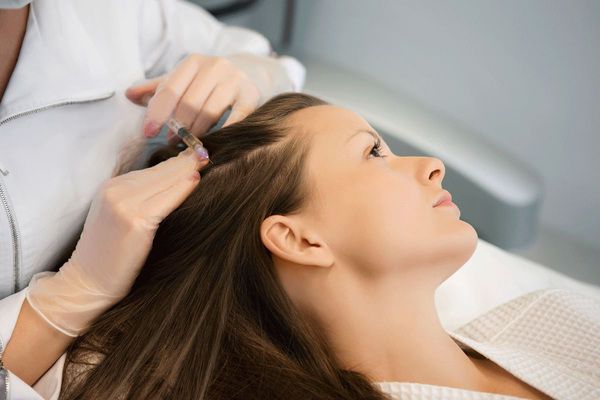
Common and Temporary Effects
Although PRP is generally safe, mild and temporary side effects can occur. These are usually short-lived and resolve on their own.
Some common effects include:
- Slight redness or swelling at the injection site
- Mild discomfort or tenderness on the scalp
- Temporary sensitivity or itching
- Minor bruising in some cases
These reactions are a normal response to injections and typically subside within a few days.
Who Can Safely Undergo PRP?
PRP is suitable for a wide range of individuals, particularly those who:
- Are experiencing mild to moderate hair thinning
- Have active hair follicles
- Prefer a natural and non-surgical solution
- Are in generally good health
Both men and women can safely undergo PRP therapy, making it a versatile option for hair restoration.
Who Should Be Cautious?
While PRP is safe for many, certain individuals may need to avoid or delay the treatment. It may not be suitable for people with:
- Blood-related disorders
- Active scalp infections or skin conditions
- Chronic illnesses affecting healing
- Extremely low platelet counts
In such cases, the effectiveness and safety of PRP may be reduced, and alternative treatments might be considered.
Importance of Proper Technique and Hygiene
The safety of PRP also depends on how the procedure is performed. Proper handling of blood, sterile equipment, and precise injection techniques are essential to minimize risks.
A well-performed PRP session ensures:
- Reduced chance of infection
- Accurate placement of plasma into targeted areas
- Comfortable and controlled treatment experience
Following proper protocols plays a major role in maintaining the overall safety of the procedure.
Is PRP Painful or Risky?
PRP is generally well tolerated by most individuals. While some discomfort may occur during injections, it is usually mild and manageable. The risk level is considered low compared to surgical treatments.
Since there are no incisions or stitches involved, recovery is quick, and most people can resume their normal activities shortly after the session.
Long-Term Safety of PRP
PRP has been used in various medical fields for years, including orthopedics and dermatology. Its long-term safety record is strong, especially when used appropriately.
Because it supports natural healing rather than altering the body’s structure, PRP is considered a sustainable and repeatable treatment option for maintaining hair health.
Can PRP Be Combined with Other Treatments Safely?
Yes, PRP is often combined with other non-surgical hair treatments to enhance results. When done correctly, these combinations are generally safe and can improve overall outcomes.
However, it is important to ensure that treatments are compatible and performed in a controlled manner to avoid unnecessary stress on the scalp.
Setting Realistic Expectations About Safety
While PRP is safe, it is not entirely risk-free, as with any medical procedure. Understanding the potential side effects and limitations helps individuals make informed decisions.
Being aware of your health condition and suitability for the treatment ensures a smoother and safer experience.
Final Thoughts
PRP hair treatment is widely regarded as a safe and effective option for individuals dealing with hair thinning. Its natural approach, minimal downtime, and low risk of complications make it an appealing choice for many. However, it is not suitable for everyone, and certain health conditions may require caution. As more individuals explore modern solutions for hair restoration, PRP Hair Treatment Dubai continues to stand out for its balance of safety and effectiveness. By understanding its benefits and limitations, individuals can make confident decisions about whether PRP is the right choice for their hair care journey.