
Safety is one of the most important considerations when evaluating any treatment that may be repeated over an extended period. Ozone therapy has been studied for various medical and supportive purposes, but safety depends heavily on the specific method, concentration, frequency, and health of the individual. Anyone considering Ozone Therapy in Dubai for repeated or long-term use should receive appropriate professional guidance rather than assuming that more sessions automatically provide greater benefits.
Why Long-Term Safety Requires Care
A treatment may appear tolerable after one session but still require careful assessment if repeated regularly. Long-term exposure can involve cumulative considerations that are not always apparent immediately. For ozone therapy, the route of administration is particularly important. Ozone is a reactive gas, and direct inhalation can damage respiratory tissues.
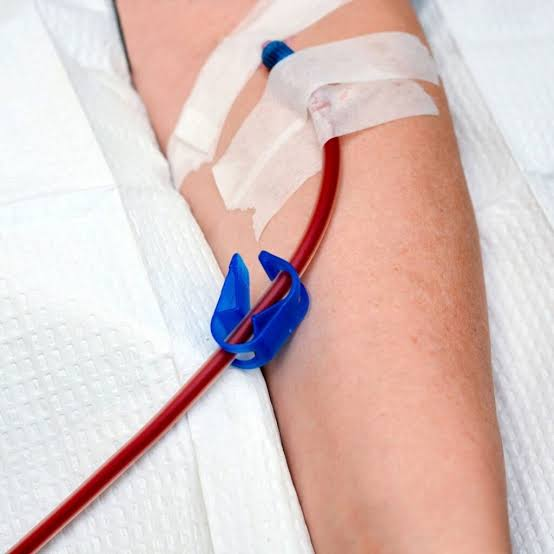
Evidence and Treatment Protocols
Research into ozone therapy includes different treatment approaches and medical conditions. Because these protocols are not identical, safety findings from one type of treatment cannot automatically be applied to another.
This is why general statements such as “ozone therapy is completely safe” are inappropriate. A qualified healthcare professional should determine whether a specific method is suitable for an individual.
Professional Consultation in Dubai
People interested in repeated wellness treatments can discuss their goals and medical history with Dynamic Life Clinic in Dubai. A professional consultation can help determine whether continuing treatment makes sense and whether there are alternative approaches with stronger evidence for the intended goal.
How Frequency Is Determined
There is no universal long-term schedule that applies to everyone. Frequency should depend on the treatment method, clinical purpose, response, and professional judgment.
Repeated weekly or ongoing treatment should therefore not be adopted simply because it is promoted online. If someone experiences new symptoms after a session, those symptoms should be assessed before another treatment is performed.
Possible Risks
Potential risks depend on the method used. Improper ozone exposure can irritate or damage the lungs, while invasive procedures can have risks associated with the route of administration.
Other symptoms may also occur depending on the person and procedure. Patients should receive clear information about possible side effects before agreeing to treatment.
Who Should Take Extra Care?
People with significant health conditions, those taking regular medication, pregnant individuals, and anyone with a history of unusual reactions should seek medical advice before beginning repeated treatment.
A complete medical history is useful because it allows professionals to identify potential contraindications or reasons for additional caution.
Monitoring During Ongoing Treatment
If a treatment is repeated over time, monitoring should be part of responsible care. Patients should communicate changes in symptoms, energy, blood pressure, breathing, or general wellbeing.
Keeping track of how the body responds can help determine whether continuing treatment is reasonable.
Avoiding Unproven Claims
Ozone therapy should not be promoted as a cure-all. Claims involving guaranteed detoxification, disease reversal, dramatic anti-aging effects, or universal immune enhancement may go beyond what current evidence can support.
People should distinguish between promising research findings and established clinical outcomes.
Making a Safe Decision
When searching for the Best Ozone Therapy Dubai, prioritize qualified supervision, clear treatment protocols, appropriate assessment, and honest discussion of risks and benefits.
Conclusion:
Ozone therapy may have legitimate research applications, but long-term safety cannot be assumed simply because a person tolerates an initial session. A personalized approach is essential, particularly when treatment is repeated over weeks or months.