
Cryosurgery has become a highly effective and widely used treatment for various skin conditions due to its minimally invasive approach and reliable outcomes. By using extremely cold temperatures to destroy abnormal or unwanted tissue, this procedure offers an alternative to more extensive surgical treatments. Cryosurgery is commonly used for conditions such as warts, skin tags, actinic keratoses, and certain benign skin lesions. As modern skin treatments continue to evolve, Cryosurgery in Dubai has gained significant popularity among individuals seeking efficient treatment options with minimal downtime. One of the most frequently asked questions by patients considering this procedure is how many treatment sessions are typically required to achieve successful results.
Understanding How Cryosurgery Works
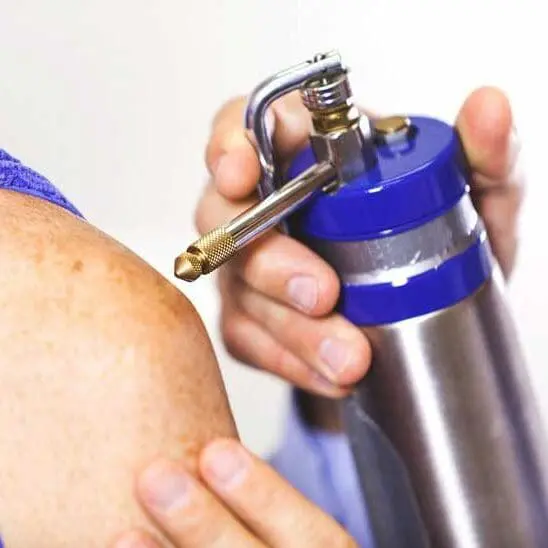
Cryosurgery, also known as cryotherapy, involves applying a freezing agent, most commonly liquid nitrogen, directly to the targeted tissue. The extreme cold destroys abnormal cells by causing cellular damage and interrupting blood flow to the treated area. After treatment, the body gradually removes the damaged tissue through its natural healing processes. The number of treatment sessions required depends on several factors, including the type of condition being treated, the size of the lesion, and the individual's response to therapy.
Is One Session Enough?
For many patients, a single cryosurgery session may be sufficient to achieve the desired outcome. Smaller and more superficial lesions often respond very well to one treatment session. In these cases, the treated tissue gradually breaks down and is replaced by healthy skin during the healing process.
Conditions that may sometimes respond after a single treatment include:
- Small skin tags
- Certain superficial skin lesions
- Some benign skin growths
- Minor cosmetic concerns
However, treatment responses can vary significantly from person to person.
Why Do Some Patients Need Multiple Sessions?
Not all skin conditions respond equally to cryosurgery. Some lesions are deeper, thicker, or more resistant to treatment, requiring additional sessions to achieve complete removal. Multiple treatments allow the tissue to be gradually destroyed while minimizing damage to surrounding healthy skin.
Several factors may increase the need for repeat treatments, including:
- Larger lesion size
- Greater tissue depth
- Longer duration of the condition
- Specific lesion location
- Individual healing characteristics
- Type of skin condition being treated
Additional sessions often improve overall treatment effectiveness while maintaining safety.
Cryosurgery Sessions for Warts
Warts are among the most common conditions treated with cryosurgery, but they often require more than one treatment session. Because warts are caused by viral infection and can vary in thickness and depth, multiple sessions are sometimes necessary.
The number of treatments may depend on:
- The type of wart
- The size of the wart
- The location on the body
- How long the wart has been present
- The patient's immune response
Plantar warts, in particular, may require additional sessions because of their thickness and location on weight-bearing areas.
Cryosurgery Sessions for Skin Tags
Skin tags often respond very well to cryosurgery. In many cases, smaller skin tags can be removed successfully during a single session. Larger or thicker skin tags may occasionally require additional treatment to ensure complete removal.
Factors influencing treatment sessions include:
- The size of the skin tag
- The thickness of its attachment
- The number of skin tags present
- Individual healing response
Most patients appreciate the convenience and simplicity of treatment for these common skin growths.
Cryosurgery Sessions for Precancerous Skin Lesions
Certain precancerous skin lesions, such as actinic keratoses, are commonly treated using cryosurgery. The number of sessions required often depends on the extent and severity of the lesions. Many superficial lesions respond effectively after one treatment, while more extensive areas may require follow-up sessions to ensure complete treatment. Careful monitoring helps determine whether additional therapy is necessary.
The Role of Individual Healing Response
Every person's body responds differently to cryosurgery. Some individuals experience rapid healing and complete resolution after a single treatment, while others may require additional sessions to achieve optimal outcomes.
Several personal factors can influence treatment response, including:
- Skin type
- Age
- Overall skin health
- Immune system function
- Healing capacity
- The body's inflammatory response
Because of these variations, treatment plans are often tailored to each patient's unique circumstances.
What Happens Between Treatment Sessions?
If additional cryosurgery sessions are required, healthcare professionals usually allow sufficient time for the treated area to heal before performing another treatment. During this healing period, the body removes damaged tissue and begins replacing it with healthy skin.
Patients may notice:
- Temporary redness
- Mild swelling
- Blister formation
- Crusting
- Gradual tissue shedding
- Progressive improvement of the treated area
Monitoring the healing process helps determine whether further treatment is necessary.
Can Multiple Sessions Improve Results?
In many cases, multiple cryosurgery sessions improve overall treatment success. Rather than aggressively freezing tissue in a single treatment, gradual treatment over several sessions can help maximize effectiveness while reducing the risk of complications.
Benefits of staged treatment may include:
- Improved lesion removal
- Better preservation of healthy tissue
- Reduced risk of scarring
- More predictable cosmetic outcomes
- Greater patient comfort
- Enhanced long-term results
This approach is especially useful for larger or more resistant skin conditions.
Why Treatment Plans Differ Between Patients
There is no universal number of cryosurgery sessions that applies to every patient or every condition. Treatment plans are developed based on several important considerations, including the specific diagnosis, lesion characteristics, treatment goals, and individual response to therapy. Many individuals researching treatment options associated with Best Cryosurgery Dubai appreciate that cryosurgery offers flexibility and personalized care while maintaining effectiveness and convenience. The ability to customize treatment plans contributes significantly to the success of this procedure.
Final Thoughts
The number of cryosurgery sessions required varies depending on the type of condition being treated, the size and depth of the lesion, and the individual's healing response. While some patients achieve excellent results after a single treatment, others may benefit from multiple sessions to ensure complete removal and optimal outcomes. With its ability to provide effective treatment while minimizing downtime and preserving healthy tissue, cryosurgery remains a valuable option for managing a wide range of skin concerns.