
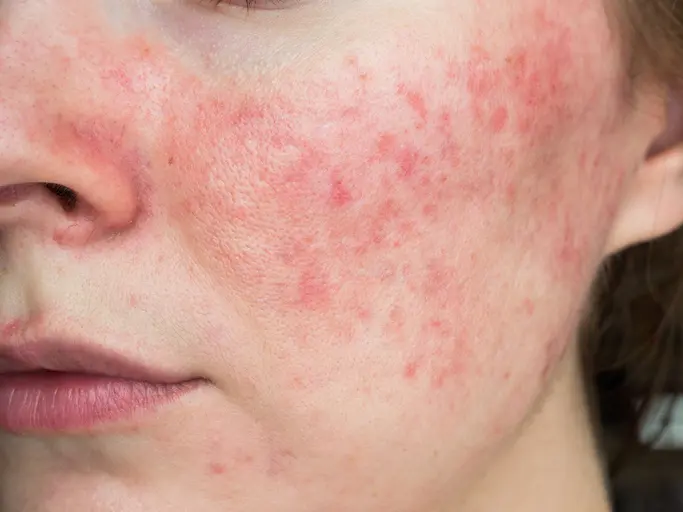
Rosacea is a chronic skin condition that often causes persistent redness, visible blood vessels, flushing, and inflammation across the face. For many individuals, these symptoms can become difficult to manage with skincare products alone, especially when flare-ups occur frequently. Laser therapy has become one of the most popular treatment options because it directly targets redness and broken capillaries beneath the skin. Many people considering Rosacea Treatment in Dubai often ask how many laser sessions are needed before noticeable improvements appear. The number of sessions required for rosacea laser therapy can vary from person to person. Factors such as the severity of rosacea, skin sensitivity, treatment goals, and the type of laser technology used all influence the overall treatment plan. While some individuals notice visible improvements after only a few sessions, others may require ongoing treatments to achieve and maintain long-lasting results.
Why Multiple Laser Sessions Are Usually Needed
Rosacea Is a Long-Term Condition
Rosacea is considered a chronic skin condition, which means symptoms may return over time even after successful treatment. Laser therapy helps manage the visible effects of rosacea, but maintenance sessions are often needed for long-term control.
Gradual Improvement Is Safer for the Skin
Laser treatments are usually performed gradually to protect the skin and minimize irritation. Treating the skin over multiple sessions allows redness and blood vessels to fade naturally without overwhelming sensitive skin.
Different Symptoms Respond at Different Rates
Visible blood vessels, flushing, and redness may not all improve at the same speed. Some symptoms respond quickly, while others require repeated treatments for noticeable changes.
Typical Number of Rosacea Laser Sessions
Mild Rosacea Cases
People with mild redness and occasional flushing may require fewer treatment sessions. In many cases, visible improvements can begin after a small number of appointments.
Moderate Rosacea Symptoms
Individuals with more persistent redness and visible capillaries often need several sessions spaced over time for the best results.
Severe Rosacea Conditions
Advanced rosacea involving widespread redness or thicker skin changes may require a more extended treatment plan and occasional maintenance sessions.
Factors That Influence the Number of Sessions
Severity of Redness
The intensity and size of affected blood vessels play a major role in determining how many sessions are necessary. More visible redness often requires additional treatments.
Skin Sensitivity
Sensitive skin may need gentler treatment settings, which can increase the number of sessions required for gradual improvement.
Type of Laser Technology
Different laser devices work in different ways. Some systems target visible blood vessels more aggressively, while others focus on gentle redness reduction.
Lifestyle and Triggers
People who continue to experience strong rosacea triggers such as excessive heat, stress, spicy foods, or sun exposure may need more ongoing maintenance sessions.
How Far Apart Are Laser Sessions?
Allowing the Skin to Heal
Laser treatments are usually spaced apart to allow the skin enough time to recover properly between sessions. This recovery period helps reduce irritation and supports healthier healing.
Monitoring Skin Response
Spacing treatments over time also allows professionals to evaluate how the skin responds and adjust the treatment plan if needed.
Supporting Long-Term Results
Gradual sessions often create more natural and long-lasting improvements compared to aggressive treatment approaches.
What Happens During Each Session?
Gentle Application of Laser Energy
During treatment, laser energy is directed toward visible blood vessels and areas of redness. The heat helps reduce the appearance of these vessels beneath the skin.
Mild Sensations During Treatment
Some people describe the sensation as a slight snapping or warming feeling on the skin, but discomfort is usually manageable.
Short Treatment Time
Most rosacea laser sessions are relatively quick, depending on the size of the treatment area and the severity of symptoms.
When Do Results Become Noticeable?
Early Improvements
Some individuals notice reduced redness after their first few sessions, especially when treating mild rosacea.
Gradual Skin Enhancement
For many people, results improve progressively as treatments continue. The skin often appears calmer and more even over time.
Long-Term Maintenance
Although laser therapy can provide long-lasting improvement, maintenance sessions may still be recommended to keep symptoms under control.
Recovery Between Sessions
Mild Temporary Redness
After treatment, slight redness or swelling may occur temporarily, but it usually fades within a short period.
Importance of Sun Protection
Protecting the skin from direct sunlight is extremely important after laser therapy because treated skin can become more sensitive.
Gentle Skincare Support
Using mild and hydrating skincare products helps soothe the skin and improve recovery between sessions.
How to Maintain Results After Laser Therapy
Avoid Rosacea Triggers
Managing triggers such as hot weather, spicy foods, emotional stress, and alcohol can help prolong treatment results.
Follow a Consistent Skincare Routine
A gentle skincare routine designed for rosacea-prone skin supports long-term skin balance and reduces irritation.
Stay Hydrated
Keeping the skin hydrated can improve skin comfort and reduce dryness associated with rosacea.
Benefits of Completing Multiple Sessions
Better Reduction in Redness
Repeated sessions often create more noticeable improvements in redness and visible veins.
Improved Skin Texture
Reducing inflammation may help the skin appear smoother and healthier overall.
Increased Confidence
Many individuals feel more confident after seeing gradual improvements in their skin tone and appearance.
Long-Term Expectations for Rosacea Laser Therapy
Laser therapy can significantly improve rosacea symptoms, but it is important to understand that rosacea is an ongoing condition that may require continued management. Maintenance treatments, healthy skincare habits, and trigger control all contribute to long-lasting results.
People searching for the Best Rosacea Treatment Dubai often prefer laser therapy because it offers visible improvements in redness and skin clarity while remaining non-invasive. With proper care and a personalized treatment plan, many individuals experience healthier and calmer-looking skin over time.
Conclusion
The number of sessions required for rosacea laser therapy depends on several factors, including the severity of symptoms, skin sensitivity, and individual treatment goals. While mild cases may improve after only a few sessions, more advanced rosacea often requires ongoing treatments for optimal results. Laser therapy works gradually to reduce redness, visible blood vessels, and inflammation while supporting healthier skin appearance. By following proper aftercare and maintaining consistent skincare habits, many individuals achieve long-lasting improvements and better control over their rosacea symptoms.