
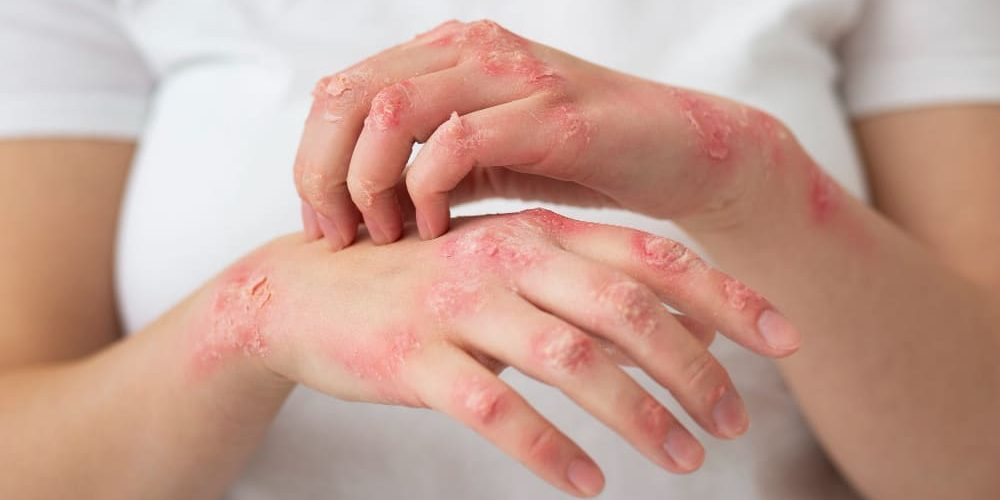
Severe skin conditions require careful medical attention because they often involve deep inflammation, persistent symptoms, and long-term discomfort that cannot be managed with basic skincare alone. These conditions may include advanced eczema, psoriasis, chronic infections, autoimmune-related skin disorders, and widespread allergic reactions. In modern dermatology, patients often explore Skin Skin Diseases Treatment in Dubai as part of a structured approach to managing complex skin issues through accurate diagnosis, targeted therapies, and long-term care planning. Effective management focuses not only on reducing visible symptoms but also on controlling underlying causes to prevent recurrence and complications.
Comprehensive Clinical Evaluation and Diagnosis
The first step in managing severe skin conditions is a detailed clinical evaluation. Doctors carefully examine the patient’s skin, review medical history, and assess lifestyle and environmental factors that may be contributing to the problem. In many cases, additional tests such as blood work, skin swabs, or biopsies may be required to identify the exact cause. This diagnostic stage is crucial because severe skin disorders often resemble one another, and accurate identification ensures the correct treatment plan is chosen.
Controlling Inflammation Through Medical Therapy
One of the primary goals in treating severe skin conditions is reducing inflammation. Chronic inflammation is responsible for redness, swelling, itching, and discomfort. Doctors may use a combination of anti-inflammatory medications, topical treatments, and systemic therapies to control the immune response. These treatments are carefully selected based on the severity of the condition and the patient’s overall health, ensuring that inflammation is managed without causing unnecessary side effects.
Advanced Prescription-Based Treatments
For more severe or persistent cases, prescription medications play an important role. These may include oral therapies that regulate immune system activity or target specific biological pathways responsible for skin inflammation. Such treatments are typically reserved for conditions that do not respond well to basic care. Doctors closely monitor patients during this phase to ensure effectiveness and adjust dosages when needed for optimal results.
Role of Light and Procedural Therapies
In some cases, procedural treatments such as controlled light exposure therapies are recommended. These methods help slow down excessive skin cell production and reduce inflammation in chronic conditions. They are especially beneficial for individuals with long-term disorders that require consistent management. Procedural therapies are usually part of a broader treatment plan rather than a standalone solution.
Managing Skin Infections and Complications
Severe skin conditions can sometimes lead to secondary infections due to weakened skin barriers or excessive scratching. Doctors address these complications using targeted antimicrobial treatments. Managing infections promptly is essential to prevent worsening of symptoms and to support the healing process. Proper wound care and hygiene guidance are also important components of this stage.
Restoring and Protecting the Skin Barrier
A key part of long-term management involves restoring the skin’s natural protective barrier. Doctors often recommend specialized moisturizers and barrier-repair treatments to reduce dryness and improve skin resilience. Strengthening the skin barrier helps minimize irritation and lowers the risk of future flare-ups, making it an essential part of ongoing care.
Lifestyle and Trigger Management Strategies
Severe skin conditions are often influenced by external and internal triggers. Doctors guide patients in identifying and avoiding factors that may worsen symptoms, such as stress, allergens, harsh skincare products, or dietary triggers. Lifestyle adjustments play a significant role in improving treatment outcomes and maintaining long-term stability of the condition.
Long-Term Monitoring and Follow-Up Care
Continuous monitoring is essential when dealing with severe skin disorders. Regular follow-up visits allow doctors to assess progress, evaluate treatment effectiveness, and make necessary adjustments. Since many severe conditions fluctuate over time, ongoing supervision helps ensure that symptoms remain under control and complications are prevented.
Emotional and Psychological Support in Treatment
Severe skin conditions can affect emotional well-being, especially when symptoms are visible or long-lasting. Feelings of frustration, anxiety, or reduced confidence are common among patients. Doctors often consider psychological support as part of the overall treatment approach, helping individuals cope better with the emotional challenges associated with chronic skin issues.
Importance of Personalized Treatment Plans
No two patients experience severe skin conditions in exactly the same way. Personalized treatment plans are essential because they take into account skin type, severity, medical history, and lifestyle factors. This tailored approach improves treatment effectiveness and reduces the risk of side effects, ensuring a more balanced and sustainable recovery process.
Preventing Recurrence and Maintaining Skin Health
Once symptoms are controlled, the focus shifts toward preventing recurrence. Doctors emphasize long-term skincare routines, trigger avoidance, and regular check-ups to maintain stable skin health. Consistency in care is key to preventing flare-ups and ensuring lasting improvement.
Many individuals seeking Skin Diseases Treatment Dubai benefit from a structured and comprehensive approach that addresses both immediate symptoms and long-term skin health. With proper medical supervision and lifestyle management, even severe skin conditions can be effectively controlled.
Conclusion
Severe skin conditions require a multi-layered treatment approach that combines medical therapy, lifestyle changes, and ongoing monitoring. From accurate diagnosis to long-term maintenance, doctors focus on controlling inflammation, restoring skin health, and preventing recurrence. With consistent care and personalized treatment strategies, patients can achieve significant improvement in both skin condition and overall quality of life.