
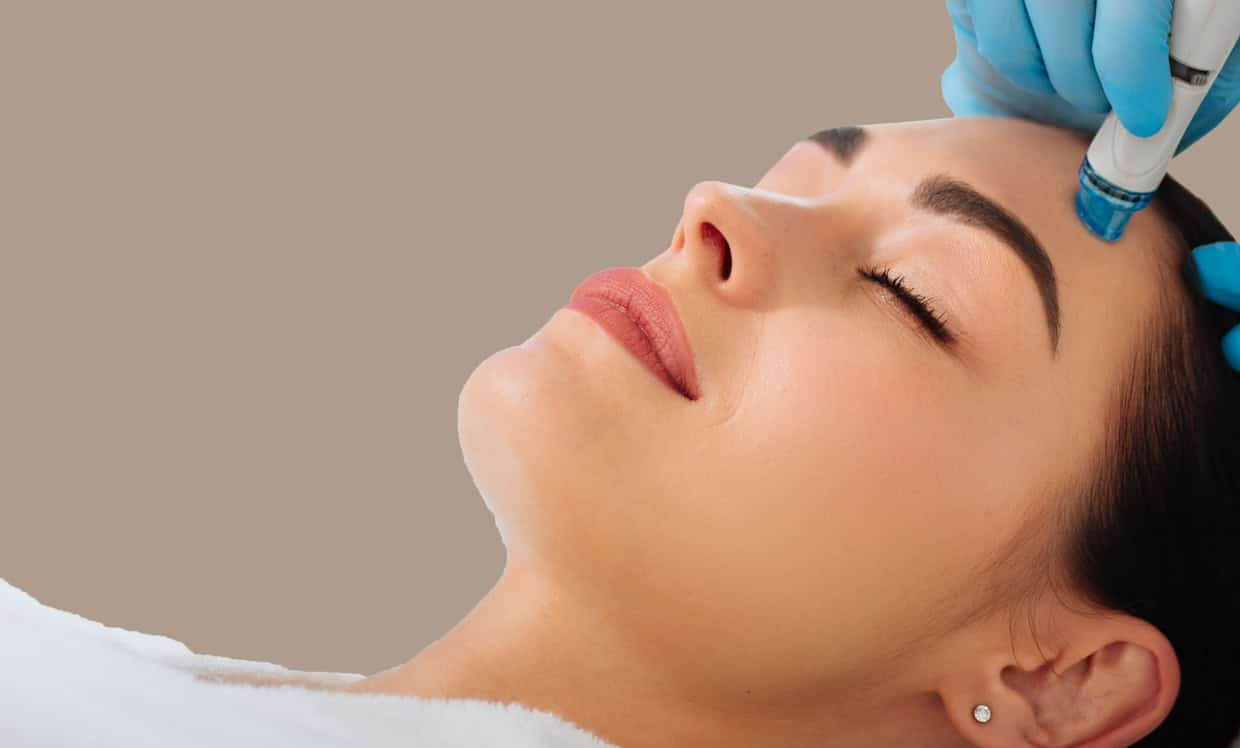
Uneven skin tone and dark patches can become noticeable when the skin produces excess melanin in response to factors such as sun exposure, inflammation, hormonal changes, or previous blemishes. Many people explore professional skincare treatments to create a more even and radiant-looking complexion without invasive procedures. HydraFacial in Dubai may be considered as part of a skincare plan because it combines cleansing, gentle exfoliation, extraction, and hydration. While it is not specifically a pigmentation-removal procedure, these steps may help improve the overall appearance of dull or uneven skin.
Understanding Hyperpigmentation
Hyperpigmentation occurs when certain areas of the skin appear darker than the surrounding complexion. It can affect different parts of the face and body and may vary in size, depth, and intensity.
Common Causes of Dark Spots
Sun exposure is one of the most common contributors to pigmentation. Other factors may include acne-related inflammation, hormonal changes, skin irritation, and the natural aging process.
Understanding the underlying cause is important because different forms of pigmentation may respond differently to professional skincare treatments.
How Hydrafacial May Help
Hydrafacial focuses on improving the overall condition of the skin rather than directly eliminating pigmentation.
Gentle Exfoliation
One of its key steps involves exfoliation, which helps remove dead cells from the outermost surface of the skin. This can make the complexion look fresher and smoother.
By reducing surface buildup, exfoliation may also help improve the appearance of uneven tone over time. However, it generally does not remove deeper pigmentation on its own.
Can It Brighten Dull-Looking Skin?
Skin affected by environmental exposure and accumulated dead cells may look tired or less radiant.
Supporting a More Even Appearance
Cleansing and exfoliation can help remove surface impurities that contribute to dullness. When combined with hydration, these steps may create a brighter and more refreshed appearance.
This improvement in radiance should not be confused with permanently removing hyperpigmentation. Deeper or persistent dark spots may require more targeted treatment.
Hydration and Skin Appearance
Hydration is another important part of Hydrafacial. Dehydrated skin can sometimes make uneven texture and fine lines appear more noticeable.
Maintaining Skin Moisture
After cleansing and exfoliation, hydrating solutions can help replenish moisture. Well-hydrated skin may appear smoother and healthier, which can make the overall complexion look more balanced.
Maintaining hydration is also important for supporting the skin barrier, particularly when pigmentation-prone skin is exposed to environmental stress.
What About Acne-Related Pigmentation?
Dark marks can remain after acne has healed. These are often referred to as post-inflammatory hyperpigmentation.
Improving Overall Skin Texture
Hydrafacial may help improve the appearance of the skin by removing surface buildup and supporting hydration. However, it should not be considered a dedicated treatment for persistent post-acne pigmentation.
At Dynamic Life Clinic in Dubai, the skin can be assessed to determine the nature of the pigmentation and whether Hydrafacial is an appropriate option as part of a broader skincare approach.
Does Hydrafacial Remove Melasma?
Melasma is a type of pigmentation often associated with hormonal changes and sun exposure. It commonly appears as darker patches on areas such as the cheeks, forehead, upper lip, or nose.
Why Professional Assessment Matters
Melasma can be difficult to manage and may become more noticeable with continued sun exposure. Hydrafacial alone may not be enough to address it.
A professional assessment can help identify whether pigmentation appears consistent with melasma or another concern and determine whether a more targeted approach is appropriate.
The Importance of Sun Protection
Sun exposure can worsen existing pigmentation and encourage the development of new dark spots.
Daily Protection Is Essential
Anyone concerned about hyperpigmentation should consider daily broad-spectrum sunscreen as part of their skincare routine. Wearing protective clothing and limiting prolonged direct sun exposure can also help.
Without proper sun protection, improvements achieved through professional skincare may be difficult to maintain.
Can Hydrafacial Be Combined With Other Treatments?
Depending on the individual's skin condition, Hydrafacial may be incorporated into a broader skincare plan.
Customized Treatment Options
Some people may require targeted treatments designed specifically for pigmentation. The appropriate option depends on the cause, depth, location, and severity of the discoloration.
Combining procedures without professional guidance is not recommended because excessive exfoliation or irritation can potentially make pigmentation more noticeable.
How Can Results Be Supported?
A suitable home routine can help maintain a smoother and more radiant appearance after treatment.
Helpful Skincare Habits
A balanced routine may include:
- Gentle cleansing
- Regular sunscreen use
- Adequate hydration
- Avoiding unnecessary skin irritation
- Using suitable skincare products
- Following professional aftercare advice
Consistency is particularly important when managing pigmentation concerns.
Choosing Professional Hydrafacial Care
For individuals searching for Best HydraFacial Dubai, selecting a provider that evaluates the skin before treatment is important. A personalized assessment can help determine whether Hydrafacial is suitable and whether additional pigmentation-focused care may be needed.
Setting Realistic Expectations
Hydrafacial can support overall skin quality, but it should not be presented as a guaranteed cure for hyperpigmentation. Results vary depending on the underlying cause and individual skin characteristics.
Final Thoughts
Hydrafacial may help improve the appearance of dull and uneven-looking skin through cleansing, exfoliation, extraction, and hydration. These benefits can contribute to a fresher complexion and may make mild surface discoloration appear less noticeable. However, deeper hyperpigmentation, melasma, or persistent dark marks may require more specialized treatment. Professional assessment, consistent sun protection, and appropriate skincare can all play important roles in achieving and maintaining a more even-looking complexion.