
Obesity is a complex medical condition influenced by genetics, lifestyle habits, hormones, and metabolic function. It is not simply a result of overeating, which is why long-term management often requires more than diet and exercise alone. In recent years, injectable therapies have become an important part of structured medical approaches for weight control. Many individuals exploring Weight Loss Injections In Dubai are particularly interested in whether these treatments can genuinely support obesity management and how effective they are when used in real-world medical settings.
Understanding Obesity as a Medical Condition
Obesity is classified as a chronic health condition characterized by excessive body fat that may negatively impact overall health. It is associated with a higher risk of conditions such as type 2 diabetes, high blood pressure, heart disease, and joint problems. Because obesity involves multiple biological and behavioral factors, treatment often requires a combination of approaches rather than a single solution. This is where medically supervised therapies, including weight loss injections, may play a supportive role.
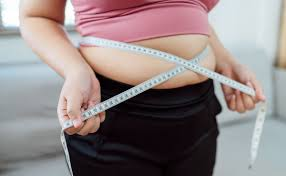
How Weight Loss Injections Support Obesity Management
Weight loss injections are designed to help regulate key processes in the body that influence weight gain and fat storage. Depending on the type of injection used, they may target appetite, metabolism, or hormonal balance.
In obesity management, these injections can support:
- Reduced appetite and hunger signals
- Better portion control during meals
- Decreased cravings for high-calorie foods
- Improved metabolic regulation
- Gradual and controlled weight reduction
By helping individuals manage these factors, injections can make it easier to follow a calorie-controlled diet and maintain consistent lifestyle changes.
Role of GLP-1 Based Injections in Obesity Treatment
One of the most widely used categories in obesity management is GLP-1 receptor agonist injections. These treatments work by mimicking natural hormones that regulate appetite and digestion.
They help the body by:
- Increasing feelings of fullness after eating
- Slowing down stomach emptying
- Reducing overall food intake
- Supporting blood sugar stability
Because of these effects, many patients experience gradual weight loss when these injections are combined with dietary improvements and physical activity.
Why Obesity Requires a Medical Approach
Obesity is not simply a lifestyle issue; it often involves hormonal and metabolic challenges that make weight loss more difficult. Many individuals experience repeated cycles of weight loss and regain, which can be frustrating and discouraging.
Medical treatments like injections are introduced to break this cycle by supporting the body’s natural regulation systems. This approach helps reduce the biological barriers that often make long-term weight loss difficult to maintain through willpower alone.
Effectiveness of Weight Loss Injections for Obesity
When used appropriately, weight loss injections can be effective in supporting obesity management. However, they are not a standalone cure. Their success depends heavily on consistency, medical supervision, and lifestyle changes.
Individuals who tend to see better outcomes are those who:
- Follow a structured eating plan
- Stay physically active
- Attend regular medical follow-ups
- Use injections as part of a long-term strategy
The results are usually gradual, which is considered healthier and more sustainable compared to rapid weight loss methods.
Importance of Lifestyle Changes Alongside Treatment
Even though injections can support appetite control and metabolic balance, lifestyle changes remain essential for long-term success. Without dietary improvements and regular movement, weight regain can still occur after treatment.
A balanced approach may include:
- Nutrient-rich, portion-controlled meals
- Regular physical activity
- Hydration and sleep management
- Stress reduction techniques
- Behavioral changes around eating habits
These habits work together with injectable therapy to create more stable and lasting results.
Medical Supervision and Safety in Obesity Treatment
Because obesity is a medical condition, treatment should always be guided by healthcare professionals. Proper evaluation ensures that injections are suitable for the individual and that potential risks are minimized.
Medical supervision typically involves:
- Assessing overall health and BMI
- Reviewing medical history
- Monitoring progress regularly
- Adjusting treatment when necessary
This structured approach helps ensure both safety and effectiveness throughout the treatment journey.
Emotional and Psychological Benefits
Managing obesity is not only a physical process but also an emotional one. Many individuals experience improved confidence and motivation when they begin to notice gradual progress.
Feeling more in control of appetite and eating behavior can reduce frustration and help individuals stay committed to their long-term health goals. However, realistic expectations are important, as results develop gradually over time.
For individuals seeking structured medical support, Best Weight Loss Injections Dubai programs are often considered because they combine professional supervision with lifestyle guidance to help manage obesity more effectively.
Conclusion
Weight loss injections can be used as a supportive tool in the medical management of obesity when prescribed and monitored by healthcare professionals. They help regulate appetite, improve metabolic function, and support gradual weight reduction, especially when combined with healthy lifestyle changes. While they are not a standalone solution, they can play a meaningful role in a comprehensive obesity treatment plan. With proper supervision and long-term commitment, injectable therapies can help individuals move toward better health outcomes and more sustainable weight management.