
Dull skin can make the complexion look tired, uneven, and less radiant, especially when the skin is dehydrated or affected by environmental stress. Skin Booster injection Dubai are often considered by people who want to improve hydration, smoothness, texture, and overall skin quality. Skin boosters commonly contain hyaluronic acid or other ingredients designed to support skin hydration and rejuvenation. While they may help dull-looking skin when dehydration is one of the contributing factors, they are not a universal treatment for every cause of a lacklustre complexion.
What Causes Dull Skin?
Dull skin can have several causes, and identifying the underlying reason is important before choosing an aesthetic treatment. Healthy skin naturally reflects light, while dehydration, uneven texture, pigmentation, and accumulated dead skin cells can make the complexion appear less bright.
Common factors associated with dull-looking skin include:
- Dehydration
- Sun exposure
- Dry or damaged skin barrier
- Accumulation of dead skin cells
- Environmental pollution
- Lack of sleep
- Natural aging
- Smoking
- Stress
- Poorly suited skincare products
- Uneven pigmentation
Dubai's climate can also influence the way skin feels and looks. High temperatures, strong sunlight, outdoor exposure, and frequent air conditioning may contribute to dryness or dehydration for some individuals.
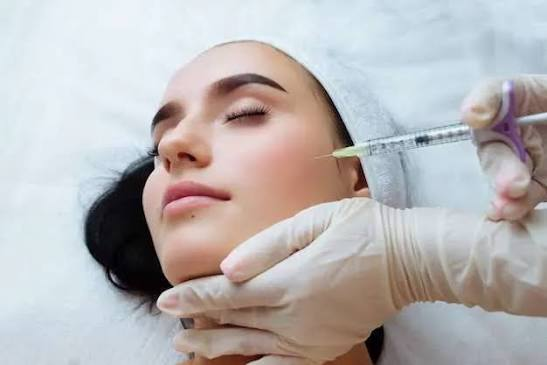
How Can Skin Booster Injections Help Dull Skin?
Skin booster injections are mainly designed to improve skin quality rather than dramatically change facial shape. Many formulations contain hyaluronic acid, which has the ability to attract and retain water.
When an appropriate skin booster is introduced into the skin, it may support moisture retention and improve the appearance of hydration. Better hydration can make the skin look smoother and more supple, which may contribute to a fresher and more radiant complexion.
The treatment may be particularly useful when dullness is associated with:
- Dehydration
- Rough texture
- Reduced-looking suppleness
- Fine dehydration lines
- Lack of radiance
However, the results depend on the individual's skin condition and the specific formulation used.
Why Does Dehydration Make Skin Look Dull?
Water is an important component of healthy-looking skin. When the skin becomes dehydrated, its surface may appear rougher and less smooth.
This uneven surface can affect how light reflects from the skin, making the complexion appear tired or dull. Fine lines may also become more noticeable when the skin lacks moisture.
Improving hydration can help the skin appear smoother and more flexible. Skin boosters may support this process by delivering a hydrating formulation into the skin.
However, hydration is only one part of skin appearance. Pigmentation, sun damage, acne scars, and other concerns can also affect radiance.
What Is the Role of Hyaluronic Acid?
Hyaluronic acid naturally occurs in the body and is found in tissues including the skin. One of its notable properties is its ability to attract and hold water.
This makes hyaluronic acid a common ingredient in skincare and injectable aesthetic treatments.
In skin boosters, the formulation is introduced into targeted areas of the skin through multiple small injections. The purpose is generally to improve skin hydration and quality rather than produce the structural volume associated with traditional dermal fillers.
Different injectable products have different properties, so the term "hyaluronic acid" does not mean that all products will produce identical results.
Can Skin Boosters Improve Skin Radiance?
Improved hydration and smoother skin texture can contribute to a more radiant appearance. When the skin is adequately moisturised, it may look softer, fresher, and more luminous.
Skin boosters may therefore be considered by individuals who feel that their complexion has lost its natural-looking glow.
However, radiance should not be confused with treating pigmentation. If dullness is actually caused by uneven skin tone or sun-related pigmentation, a hydration-focused treatment may not address the primary issue.
A professional skin assessment can help identify the main cause.
Can Skin Boosters Improve Uneven Skin Texture?
Skin texture can become uneven because of dehydration, aging, sun exposure, acne, scarring, and other factors.
When dehydration contributes to roughness, improving moisture levels may make the surface appear smoother. Skin boosters can potentially support this type of improvement.
However, deeper acne scars, significant textural irregularities, and pronounced sun damage may require treatments such as laser resurfacing, microneedling, chemical peels, or other dermatological procedures.
The appropriate treatment depends on the specific texture concern.
Can Skin Boosters Help With Fine Lines?
Dehydration can make superficial fine lines more noticeable. By improving skin hydration, skin boosters may make some dehydration-related lines appear softer.
This does not mean that skin boosters remove deeper wrinkles. Wrinkles caused by muscle movement, substantial collagen loss, or significant skin laxity may require other approaches.
A consultation can help distinguish between dehydration lines and other types of facial wrinkles.
Are Skin Booster Injections Suitable for Dry Skin?
People with dry skin may be interested in skin boosters because hydration is one of their primary concerns. However, dry skin and dehydrated skin are not exactly the same.
Dry skin generally refers to a skin type associated with lower oil production, while dehydration refers specifically to a lack of water.
A person can have oily skin and still be dehydrated. Therefore, skin boosters should not be recommended simply because someone describes their skin as dry.
A proper assessment can determine whether hydration is an appropriate treatment goal.
Can Oily Skin Benefit From Skin Boosters?
Yes, selected individuals with oily or combination skin may benefit if dehydration or poor skin quality is contributing to dullness.
Excess oil does not necessarily mean the skin contains enough water. Oily skin can still appear rough, tired, or dehydrated.
However, skin boosters are not designed primarily to reduce sebum production. If the main problem is acne or excessive oiliness, another treatment may be more appropriate.
Can Sensitive Skin Receive Skin Boosters?
Sensitive skin requires additional care before injectable treatment. Mild redness, tenderness, swelling, or sensitivity may occur after injections.
Patients should tell their practitioner about:
- Previous reactions to injectable treatments
- Known allergies
- Active skin irritation
- Skin infections
- Inflammatory skin conditions
- Current medications
- Recent cosmetic procedures
If the skin is significantly irritated or inflamed, treatment may need to be postponed.
What Happens During a Skin Booster Treatment?
The procedure usually starts with a consultation and skin assessment. The practitioner discusses the patient's concerns and determines whether the treatment is appropriate.
If treatment is recommended, the area is prepared before the product is administered through multiple small injections.
The procedure may involve several injection points across the selected area. The exact technique depends on the product and treatment location.
After the procedure, patients receive instructions for caring for the treated skin.
What Can You Expect After Treatment?
Immediately after skin booster injections, the skin may show temporary redness, swelling, tenderness, or small raised areas around the injection points.
These effects can vary between individuals. As the skin recovers, the treatment may contribute to improved hydration and a smoother-looking complexion.
Results are not identical for everyone. Skin condition, age, product choice, lifestyle, and treatment schedule can all affect the outcome.
How Long Do Skin Booster Results Last?
The duration of results depends on several factors, including the product used, individual skin characteristics, lifestyle, environmental exposure, and treatment plan.
Some patients may be advised to undergo a series of treatments followed by maintenance sessions.
There is no universal schedule because skin responds differently from one individual to another.
What Are the Possible Side Effects?
As with other injectable procedures, temporary side effects can occur.
These may include:
- Redness
- Mild swelling
- Tenderness
- Bruising
- Small bumps
- Temporary itching
- Sensitivity
Most minor reactions can settle as the skin recovers, but patients should follow the aftercare instructions provided by their practitioner.
Serious complications are uncommon but can occur with injectable procedures, making appropriate product selection, practitioner experience, hygiene, and patient assessment important.
Can Skin Boosters Replace a Skincare Routine?
No. Injectable skin treatments and everyday skincare serve different purposes.
A consistent skincare routine can help support the skin barrier and protect it from environmental damage. Daily broad-spectrum sunscreen is particularly important because ultraviolet exposure can contribute to premature skin aging and pigmentation.
Depending on individual needs, a skincare routine may include:
- Gentle cleansing
- Moisturising
- Daily sunscreen
- Appropriate hydrating products
- Professionally recommended active ingredients
Skin boosters should be considered an additional aesthetic treatment rather than a substitute for daily skincare.
Signs You Should Pay Attention To
Mild redness, tenderness, and swelling can occur after injections, but unusual or worsening symptoms should not be ignored.
Contact a qualified healthcare professional if you notice:
- Severe or increasing pain
- Significant swelling
- Spreading redness
- Unusual skin colour changes
- Signs of infection
- Persistent or worsening symptoms
- A reaction that causes significant concern
Difficulty breathing or other symptoms of a serious allergic reaction require urgent medical attention.
Checkpoint: What Should You Verify Before Treatment?
Before choosing a skin booster for dull skin, it is important to understand what is causing the dull appearance.
Ask the practitioner:
- Is dehydration contributing to my dull skin?
- What product is being recommended?
- Why is it appropriate for my skin?
- What results are realistic?
- Are there alternative treatments?
- What side effects can occur?
- How long may the results last?
- What aftercare will I need?
A responsible provider should explain both the potential benefits and limitations of treatment rather than promising perfect or permanent results.
What Other Treatments Can Help Dull Skin?
The best treatment for dull skin depends on its underlying cause. Skin boosters may be appropriate when dehydration is a major factor, but other treatments can address different concerns.
Depending on the skin assessment, options may include:
- Chemical peels
- Microneedling
- Laser treatments
- Hydrating facials
- Medical skincare
- Treatments for pigmentation
- Treatments targeting acne scars
A combination approach may sometimes be recommended, but each treatment should have a clear purpose and be suitable for the patient's skin.
Choosing the Best Skin Booster Dubai
When searching for the Best Skin Booster Dubai, consider clinical qualifications, practitioner experience, product selection, hygiene standards, consultation quality, and aftercare.
Do not choose a treatment solely because it is popular on social media or heavily advertised. A qualified professional should assess the skin and determine whether dehydration is actually contributing to dullness.
The right treatment should be based on the individual's skin type, concerns, medical history, and desired outcome.
Conclusion
Skin booster injections may help dull-looking skin when dehydration, rough texture, or reduced skin suppleness contributes to a lacklustre complexion. Hydrating formulations, particularly those containing hyaluronic acid, can support moisture retention and may help the skin appear smoother, softer, and more radiant. However, dullness can have many causes, including pigmentation, sun exposure, acne-related changes, accumulated dead skin cells, and natural aging. A hydration-focused injectable treatment may not address these concerns on its own. A professional skin assessment can help identify the underlying cause of dullness and determine whether skin boosters or another treatment would be more appropriate. Maintaining a suitable skincare routine and protecting the skin from ultraviolet exposure also remain important for long-term skin quality.
Frequently Asked Questions
1. Can skin booster injections help dull skin?
Yes, they may help when dehydration or poor skin quality contributes to a dull appearance. They can support hydration and may improve the appearance of skin texture and radiance.
2. How do skin boosters make skin look brighter?
By supporting hydration, skin boosters may make the skin appear smoother and more supple. A smoother surface can contribute to a fresher-looking complexion.
3. Can skin boosters remove pigmentation?
Skin boosters are not primarily designed to treat pigmentation. If dullness is caused by pigmentation or sun damage, another treatment may be more appropriate.
4. Can hyaluronic acid improve dull skin?
Hyaluronic acid can attract and retain water. When used appropriately in an injectable skin booster, it may support skin hydration and improve the appearance of dryness and dullness.
5. Are skin boosters suitable for oily skin?
They can be considered for selected people with oily skin if dehydration is present. However, skin boosters are not primarily intended to reduce excess oil.
6. Can sensitive skin receive skin booster injections?
Some people with sensitive skin may be suitable, but individual assessment is important. Active irritation, inflammation, or infection may require treatment to be postponed.
7. How quickly does skin look better after a skin booster?
The timing of visible improvement varies according to the product, treatment plan, and individual response. Temporary redness or swelling may occur immediately after treatment.
8. How long do skin booster results last?
Results vary between individuals. The product used, skin condition, lifestyle, environmental exposure, and maintenance schedule can influence how long improvements remain visible.
9. Can skin boosters replace moisturiser?
No. Skin boosters and moisturisers serve different purposes. A suitable skincare routine remains important for supporting the skin barrier and maintaining hydration.
10. Can skin boosters treat tired-looking skin?
They may improve some aspects of tired-looking skin when dehydration or poor skin quality is involved. Other causes, such as pigmentation or significant sun damage, may require different treatments.