
Palate repair surgery is commonly performed during infancy, but treatment is not limited to babies alone. Many children, teenagers, and even adults may still benefit from corrective surgery later in life. Families often research Palate Repair Surgery in Dubai to understand whether delayed treatment can still improve speech, feeding, breathing, and oral function. While early intervention is generally preferred, palate repair surgery can often be successfully performed after infancy depending on the patient’s condition and overall health. Every patient has a unique medical history, and treatment plans are carefully designed according to age, symptoms, and developmental needs.
Why Palate Repair Surgery Is Usually Performed Early
Supporting Speech and Oral Development
Doctors often recommend palate repair surgery during infancy because the early years are important for speech and facial development. Repairing the palate at a young age helps children learn to speak with improved oral muscle coordination.
Early treatment may also help with:
- Feeding and swallowing
- Hearing development
- Facial growth
- Breathing function
- Emotional and social development
Although infancy is considered an ideal time for treatment, surgery can still provide benefits later in life.
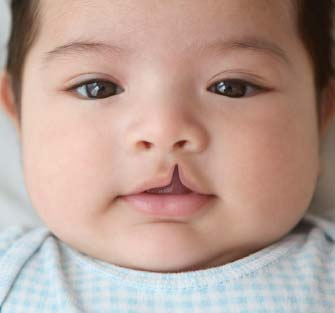
Can Surgery Still Be Effective After Infancy?
Delayed Treatment Can Still Help
Yes, palate repair surgery can still be effective after infancy. Children and adults who did not receive treatment earlier may still experience significant improvements after surgery.
Benefits may include:
- Better speech clarity
- Improved swallowing
- Easier breathing
- Enhanced oral structure
- Greater social confidence
The success of treatment depends on factors such as the severity of the condition and the patient’s overall health.
Reasons Surgery May Be Delayed
Late Diagnosis of Palate Conditions
Some palate abnormalities are not identified immediately after birth. Conditions like submucous cleft palate may remain undetected for years because the opening is hidden beneath tissue.
Children may later develop symptoms such as:
- Nasal speech
- Feeding difficulties
- Frequent ear infections
- Trouble pronouncing certain sounds
Once diagnosed, surgery may still be recommended even after infancy.
Medical or Personal Circumstances
In some cases, surgery may be postponed due to health concerns or personal circumstances. A child may need to wait until they are medically stable enough for anesthesia and surgery.
Other reasons for delayed treatment may include:
- Limited access to healthcare
- Family decisions
- Associated medical conditions
- Previous surgical planning
Modern reconstructive techniques allow treatment to remain effective even when performed later.
Palate Repair Surgery in Older Children
Helping Children Improve Speech
Children who undergo palate repair surgery after infancy often receive treatment to improve speech and oral function. The surgery helps close openings in the roof of the mouth and restore proper muscle movement.
Older children may still benefit from:
- Improved speech quality
- Reduced nasal airflow during speaking
- Better swallowing ability
- Increased confidence in school and social settings
Speech therapy is often recommended after surgery to support communication development.
Surgery for Teenagers
Correcting Long-Term Functional Issues
Teenagers who did not receive palate repair earlier may seek treatment because of ongoing speech difficulties or social concerns.
Surgery during adolescence may help improve:
- Speech clarity
- Breathing comfort
- Oral coordination
- Emotional wellbeing
Teenagers often become more aware of communication challenges, making corrective treatment emotionally important as well.
Adult Palate Repair Surgery
Treatment Is Possible Even in Adulthood
Adults can also undergo palate repair surgery successfully. Some adults may have lived with untreated cleft palate conditions for years, while others may require secondary corrective procedures.
Adult surgery may address:
- Speech problems
- Difficulty eating or swallowing
- Breathing issues
- Structural abnormalities of the palate
Although healing and rehabilitation may take longer in adults, many patients still experience meaningful improvements.
Differences Between Early and Delayed Surgery
Speech Development Considerations
One of the biggest differences between infant and later surgery is speech development. Children who receive surgery earlier often develop speech more naturally because the palate muscles are repaired before language skills fully form.
Patients who undergo surgery later may already have established speech patterns that require additional therapy to correct.
Facial Growth and Muscle Development
As children grow older, the tissues and facial structures become more developed. This can slightly change the surgical approach and recovery process.
However, experienced surgeons can still achieve positive functional outcomes with careful planning.
The Role of Speech Therapy After Delayed Surgery
Supporting Communication Improvement
Patients who undergo palate repair after infancy often benefit from speech therapy alongside surgery. Therapy helps strengthen pronunciation, airflow control, and oral muscle coordination.
Speech therapists may focus on:
- Correcting nasal speech
- Improving articulation
- Building communication confidence
- Supporting language development
Combining surgery with therapy often produces stronger long-term results.
Recovery After Surgery Later in Life
Healing and Adjustment
Recovery after palate repair surgery depends on the patient’s age and the complexity of the procedure. Older children and adults may need more time to adjust to changes in oral function and speech patterns.
Post-surgical care may involve:
- Soft food diets
- Oral hygiene management
- Speech exercises
- Follow-up evaluations
Proper aftercare plays an important role in successful healing.
Emotional Benefits of Delayed Treatment
Improved Confidence and Social Comfort
Many patients who receive surgery later in childhood or adulthood experience emotional benefits along with physical improvements.
Successful treatment may help individuals feel more comfortable:
- Speaking in public
- Participating in school activities
- Engaging in social conversations
- Building self-confidence
Improved communication often has a positive effect on personal and professional relationships.
Importance of Personalized Treatment Planning
Every Patient Has Different Needs
No two palate conditions are exactly the same. Treatment plans are customized based on the patient’s age, symptoms, speech development, and overall health.
A multidisciplinary team may include:
- Reconstructive surgeons
- Speech therapists
- Dentists
- Hearing specialists
- Pediatric healthcare providers
This collaborative approach supports better long-term outcomes.
Long-Term Benefits of Surgery After Infancy
Functional Improvements Can Still Be Significant
Even when surgery is delayed, patients may still achieve important improvements in daily life. Treatment can help restore oral function and reduce challenges related to communication and swallowing.
Common long-term benefits include:
- Better speech clarity
- Easier eating and drinking
- Improved breathing
- Greater emotional wellbeing
The positive effects often continue well into adulthood.
Finding the Right Surgical Care
Families and patients looking for advanced reconstructive treatment often search for the Best Palate Repair Surgery Dubai services to ensure proper diagnosis, surgical planning, and long-term rehabilitation support. Access to experienced care can make a major difference in both recovery and overall treatment success. Comprehensive support helps patients manage speech, oral development, and emotional wellbeing more effectively.
Conclusion
Palate repair surgery can absolutely be performed after infancy and still provide meaningful improvements in speech, swallowing, breathing, and oral function. While early intervention is often preferred, delayed treatment can still help children, teenagers, and adults achieve better quality of life. With modern surgical techniques, personalized care plans, and supportive rehabilitation, patients undergoing palate repair later in life can experience both physical and emotional benefits that positively impact their future.