
Breathing quality during sleep plays a major role in overall health, energy levels, and daily performance. When airflow is restricted in the upper airway, it can lead to snoring, disrupted sleep, and sometimes even daytime fatigue. Many people now explore non-invasive options to address this issue. Among them, Laser Snoring Treatment in Dubai has gained attention as a modern approach that not only targets snoring but may also support better airflow during sleep.
How Breathing Is Affected by Snoring
Snoring occurs when the airway becomes partially narrowed during sleep. This narrowing is usually caused by relaxed muscles in the throat, especially the soft palate and surrounding tissues. As air passes through a restricted space, the tissues vibrate and create the snoring sound.
When this airway restriction becomes more pronounced, it can also affect breathing efficiency. In some cases, it may lead to:
- Shallow breathing during sleep
- Frequent awakenings
- Reduced oxygen intake
- Poor sleep quality
This is why treatments that improve airway openness may also positively influence breathing.
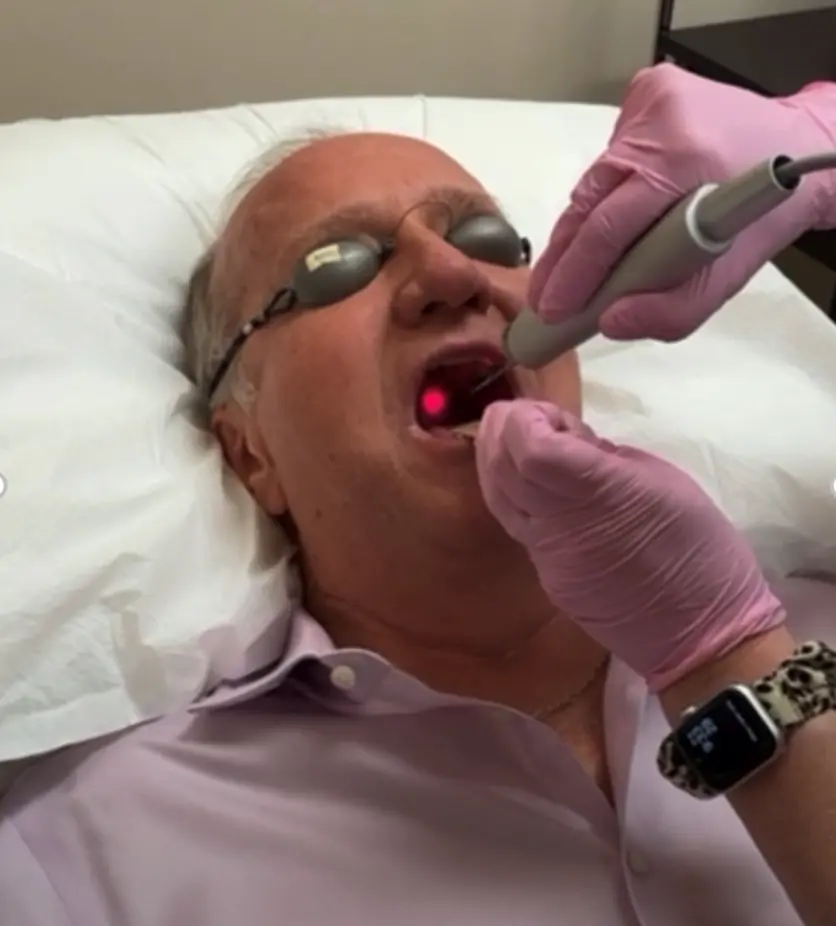
How Laser Snoring Treatment Works on Airflow
Laser snoring treatment targets the soft tissues at the back of the throat using controlled laser energy. The heat stimulates collagen production, which gradually tightens and strengthens these tissues.
As the tissues become firmer:
- The soft palate becomes less likely to collapse
- Airflow resistance decreases
- Vibrations reduce significantly
This structural improvement in the airway can contribute to smoother and more stable breathing during sleep.
Can It Actually Improve Breathing?
Yes—laser snoring treatment can improve breathing in many individuals, especially those with mild to moderate snoring caused by soft tissue relaxation. By tightening the airway structure, it helps create a more open and stable passage for air.
However, it is important to understand that the level of improvement depends on the underlying cause. In cases where snoring is mainly due to tissue vibration, breathing often becomes noticeably easier and more consistent after treatment.
What Studies Suggest
Research on laser-based snoring treatments shows that they can improve airway patency (openness) and reduce snoring intensity. Some studies also report improved sleep quality and reduced nighttime disturbances following treatment.
Clinical findings indicate that non-ablative laser procedures can lead to gradual tissue tightening and functional improvement in airway stability. While results vary, many patients experience better breathing comfort during sleep.
Signs of Improved Breathing After Treatment
Individuals who respond well to laser snoring treatment may notice several positive changes:
- Less effort needed to breathe during sleep
- Reduced snoring intensity or silence
- Fewer nighttime awakenings
- More refreshed feeling in the morning
- Improved overall sleep quality
These improvements often develop gradually as collagen production increases over time.
When Breathing Improvement May Be Limited
Although the treatment can help many people, it is not effective for all breathing-related issues. If breathing problems are caused by deeper or more complex conditions, laser treatment alone may not be enough.
It may have limited effect if:
- There is severe obstructive sleep apnea
- Nasal passages are significantly blocked
- Structural abnormalities exist in the airway
- Obesity is a major contributing factor
In such cases, additional medical evaluation is necessary.
Gradual Improvement Over Time
One important aspect of laser snoring treatment is that results are not immediate. The improvement in breathing happens gradually as the body produces more collagen and the tissues become firmer.
Most individuals notice:
- Early improvement after a few sessions
- Progressive enhancement over weeks
- Better stability in breathing during sleep over time
This gradual process makes it a natural and non-invasive way to support airway function.
Breathing vs. Snoring Relief
It is important to differentiate between snoring reduction and breathing improvement. While they are closely connected, they are not identical.
- Snoring reduction focuses on decreasing noise
- Breathing improvement focuses on airflow efficiency
Laser treatment primarily targets the structural cause of snoring, but in doing so, it often supports both outcomes.
Importance of Proper Evaluation
Before undergoing treatment, it is essential to identify the exact cause of breathing difficulties during sleep. A proper assessment ensures that laser therapy is suitable and likely to provide meaningful results.
This step is especially important for individuals who experience both snoring and breathing interruptions.
Choosing the Right Approach
Laser therapy is best suited for individuals seeking a non-invasive way to improve airway function and reduce snoring-related breathing issues. It offers a modern solution that focuses on tissue tightening rather than surgical intervention. For those exploring advanced options, the Best Laser Snoring Treatment Dubai is often associated with tailored approaches that aim to enhance both airflow and sleep quality.
Conclusion
Laser snoring treatment can improve breathing by tightening soft tissues in the throat and reducing airway resistance. For many individuals with mild to moderate snoring, this leads to smoother airflow, reduced snoring, and better sleep quality. However, its effectiveness depends on the underlying cause of the breathing issue. With proper evaluation and realistic expectations, it can be a valuable non-invasive option for improving nighttime breathing comfort.