
As people age, metabolism naturally slows down, muscle mass decreases, and fat distribution in the body often changes. These shifts can make weight management more challenging, even for individuals who maintain relatively healthy lifestyles. In recent years, medical weight management options such as Weight Loss Injections in Dubai have gained attention among older adults who are looking for structured and supervised ways to support weight control. However, suitability for seniors depends on overall health rather than age alone. Weight loss injections are not automatically unsuitable for older adults, but they must be considered carefully. A thorough medical evaluation is essential because seniors often have existing health conditions or take multiple medications that can influence treatment decisions.
Understanding weight changes in older adults
In seniors, weight gain or difficulty losing weight is often linked to a combination of factors rather than overeating alone. Slower metabolism, hormonal changes, reduced physical activity, and loss of muscle mass all contribute to gradual weight increase over time. At the same time, some older adults may also experience unintentional weight loss due to appetite changes or medical conditions. This makes weight management in seniors more complex and highly individualized. Because of these factors, any weight management approach—including injections—must be carefully tailored to the person’s overall health profile.
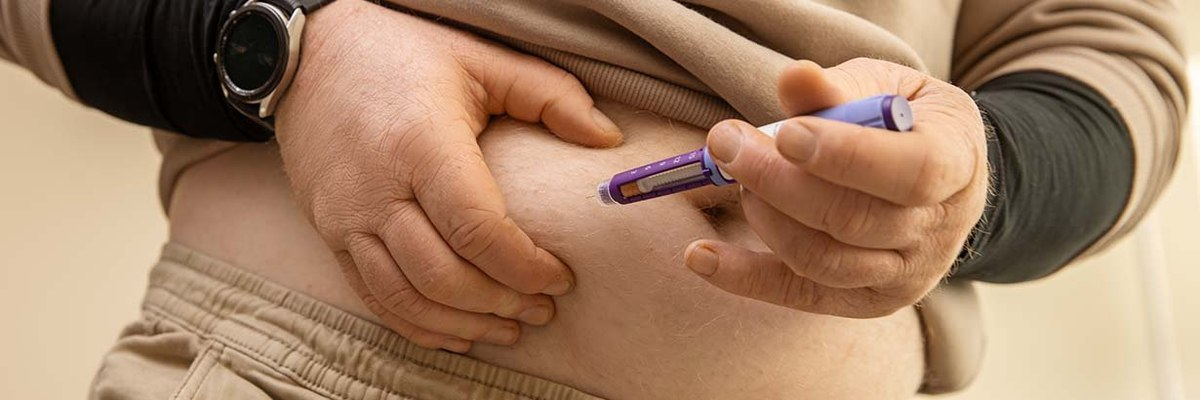
How weight loss injections may help older adults
Weight loss injections typically work by influencing appetite regulation, digestion speed, and metabolic processes. In suitable candidates, they may help:
- Reduce appetite and control portion sizes
- Improve feelings of fullness after eating
- Support more stable blood sugar levels
- Assist with gradual and controlled weight reduction
For seniors struggling with obesity or metabolic conditions, these effects can contribute to improved mobility, reduced strain on joints, and better overall quality of life.
However, the goal in older adults is often not rapid weight loss but rather gradual improvement in metabolic health and physical function.
Important health considerations for seniors
While weight loss injections can be helpful for some older adults, they are not appropriate for everyone. Seniors are more likely to have underlying health conditions that require careful assessment before starting treatment.
Key considerations include:
- Heart and cardiovascular health
- Kidney and liver function
- History of gastrointestinal issues
- Presence of diabetes or insulin-related conditions
- Current medications and possible interactions
Because of these factors, medical supervision is especially important in older populations. Treatment decisions are typically made on a case-by-case basis after a full health review.
Muscle preservation and healthy weight loss
One important concern in seniors is maintaining muscle mass. As people age, losing weight too quickly or without proper nutrition can lead to muscle loss, which may affect strength, balance, and mobility.
For this reason, weight loss injections must be paired with:
- Adequate protein intake
- Light resistance or strength-based exercises
- Balanced nutrition plans
- Regular physical activity suited to ability
The goal is not only weight reduction but also preservation of functional strength and independence.
Potential benefits when used appropriately
When carefully prescribed and monitored, weight loss injections may offer several benefits for suitable older adults:
- Improved weight control in cases of obesity
- Better blood sugar regulation in insulin resistance
- Reduced pressure on joints, improving mobility
- Enhanced energy levels in some individuals
- Support for cardiovascular health through weight reduction
These benefits can contribute to improved daily functioning and overall wellbeing when part of a comprehensive health plan.
When weight loss injections may not be suitable
There are situations where weight loss injections may not be recommended for seniors. These include:
- Frailty or significant muscle loss
- Unstable medical conditions
- Certain gastrointestinal disorders
- Advanced kidney or liver disease
- Poor nutritional status or underweight conditions
In such cases, alternative approaches focusing on nutrition and physical therapy may be safer and more effective.
The importance of individualized medical assessment
There is no universal rule for seniors and weight loss injections. Suitability depends entirely on individual health status, goals, and risk factors. This is why a detailed medical evaluation is essential before starting any treatment.
Doctors typically assess:
- Body composition and weight history
- Existing chronic conditions
- Medication use
- Lifestyle habits
- Overall physical strength and mobility
This ensures that treatment is both safe and appropriate for long-term health.
Realistic expectations for older adults
For seniors, weight management goals are often more focused on health improvement rather than dramatic weight loss. Even modest reductions in body weight can lead to meaningful improvements in mobility, energy, and quality of life. Weight loss injections, when appropriate, support gradual progress rather than rapid transformation. This slower approach is generally safer and more sustainable for older individuals. When exploring modern options such as the Best Weight Loss Injections Dubai, seniors and their caregivers should prioritize safety, medical guidance, and long-term wellbeing over quick results.
Final overview
Weight loss injections may be suitable for some seniors, but only under proper medical supervision and after careful evaluation. They can offer benefits in terms of appetite control, metabolic support, and gradual weight reduction, especially for those dealing with obesity or metabolic conditions. However, they are not appropriate for everyone. Age alone is not the deciding factor—overall health, muscle strength, and medical history are far more important. When used responsibly as part of a comprehensive care plan, they can support healthier aging and improved quality of life.